
Origins of Dekiti Tirsia Siradas
On this page
The island of Negros in the central Philippines has long been a crossroads of culture, trade, and conflict. It is here that the martial lineage of the Tortal family took shape, giving rise to the system now known as Dekiti Tirsia Siradas (DTS). Passed down through generations, this family tradition distilled indigenous Filipino blade and stick fighting methods into a system built for survival, efficiency, and close range combat.
Within the Filipino martial arts community, family systems have historically served as the primary means of preserving knowledge. Techniques, tactics, and principles were taught from parent to child and refined through practical use in daily life, community disputes, and periods of conflict. The Tortal family system emerged from this environment and gradually evolved into a structured approach to combat that emphasized precision, timing, and decisive movement.
The name of the system reflects its tactical foundation.
- Dekiti - close proximity combat
- Tirsia - quartering tactics used to trap and overwhelm
- Siradas - closing and finishing the encounter
Together these principles form a method of fighting designed to intercept attacks, control an opponent's movement, and resolve a confrontation quickly and efficiently. The system focuses on controlling angles and positioning rather than relying solely on speed or strength.
Understanding the Fight
A defining characteristic of DTS is its method of analyzing combat through structure. Practitioners learn to interpret attacks and responses through a framework that combines angles, distance, and positioning.
The diagram below illustrates how engagements can be understood through several intersecting factors.
- Distance - long, medium, close, and ground
- Height - low, middle, and high lines
- Armament - empty hand, single weapon, or both parties armed
These factors shape how a practitioner moves, intercepts attacks, and controls the opponent's line. By understanding how these elements interact, students develop the ability to adapt their tactics to changing circumstances.

The Tortal Lineage
The roots of the system trace back to Norberto Tortal, widely regarded as the patriarch of the family martial tradition. His teachings were passed to his son Segundino Tortal, who continued refining the family's approach to blade and stick combat.
Segundino trained the next generation of the Tortal family, including Conrado, Balbino, Teodorico, Francisco, and Quirino Tortal. Through this generation the system matured into a highly practical method of fighting suited to the realities of life in the Visayan region.
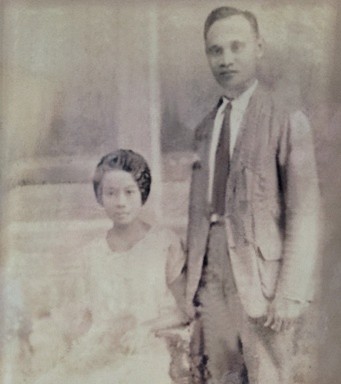
Among them, Conrado "Tay Dadoy" Tortal (1897 to 1976) became one of the most influential figures in the preservation and development of the family system. He later served as the first Chief of Police in Victorias, Negros Occidental. In that role he often encountered disputes among sugarcane workers that escalated into armed confrontations involving blades.
Accounts of his encounters, both in law enforcement and in challenge matches, became part of the oral history surrounding the art. His reputation for calm control and technical precision helped establish the credibility of the Tortal family system.

During World War II, members of the Tortal family applied their martial skills in resistance efforts against the Japanese occupation. The system was used not as sport but as a practical method of survival and defense during a time of national crisis.

From Family System to Global Art
In the decades following the war, the Tortal family's martial tradition continued to develop and spread. Different members of the extended lineage began teaching the art beyond their immediate communities.
One branch of the family system evolved into Pekiti Tirsia Kali and gained international recognition through Leo T. Gaje. At the same time, Jerson "Nene" Tortal, the son of Balbino Tortal, continued to develop and preserve the close range tactical methods that would be organized under the name Dekiti Tirsia Siradas.
Although these systems share the same family roots, Dekiti Tirsia Siradas maintains a particularly strong emphasis on aggressive close range engagement, structural control, and practical application.
Today DTS continues to be practiced internationally while maintaining its connection to the Tortal family heritage and the broader traditions of Filipino martial arts.

Master of the Blade, Keeper of the Line
Grandmaster Jerson "Nene" Tortal
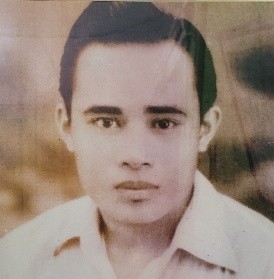
At the center of the modern Dekiti Tirsia Siradas system stands Grandmaster Jerson "Nene" Tortal, a direct inheritor of the Tortal family martial tradition. Born in 1937 in Negros Occidental, he began training in the family system as a young boy under the instruction of his father Balbino Tortal and other members of the family.
A Legacy Forged in War
His childhood was shaped by the difficult realities of World War II. During the Japanese occupation of the Philippines he assisted guerrilla resistance fighters by observing troop movements and gathering information that could be relayed to local resistance groups.
During this period he witnessed the execution of his father by Japanese soldiers. This traumatic experience deeply influenced his life and strengthened his determination to preserve the martial legacy of the Tortal family.
Formalizing the System
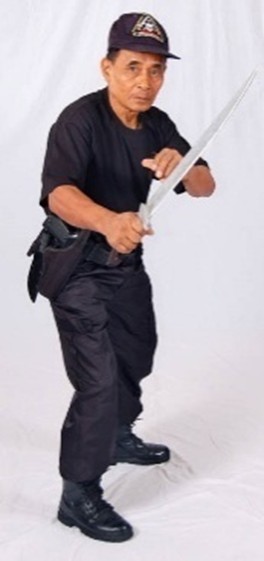
In 1958 Jerson Tortal formally organized the family combat system under the name Dekiti Tirsia Siradas. The name reflects the tactical philosophy of the art and its emphasis on closing distance, controlling angles, and intercepting attacks before they can fully develop. While the system had existed within the Tortal family for generations, this step helped establish a clear identity for the method and allowed it to be taught more systematically.
The term Dekiti describes the commitment to close proximity fighting, where decisive movement and timing determine the outcome of an encounter. Tirsia refers to quartering tactics that cut through the opponent’s line of attack, while Siradas represents the act of closing and finishing the engagement. Together these concepts form a strategic approach to combat built around pressure, positioning, and efficient movement.
From these principles Tortal organized a structured training curriculum that preserved traditional blade methods while adapting them for modern training environments. Instruction included the use of swords, knives, and sticks, along with empty hand techniques that translate directly from weapon movement. Students learned how to move between ranges, control the centerline, and respond quickly to changing situations.
Over time the system expanded to include training drills, partner exercises, and progressive methods that develop timing, coordination, and tactical awareness. These practices allowed the art to be taught effectively to larger groups while maintaining the combative principles that defined the original family system.
Building the Modern Art
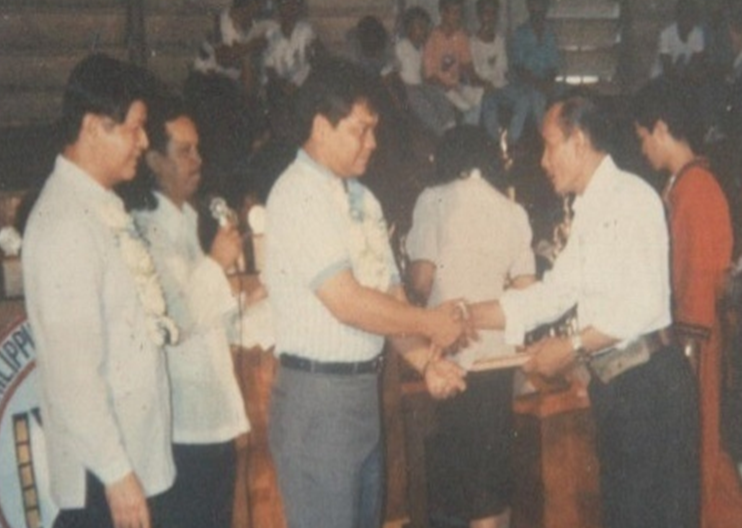
Over the decades Grandmaster Tortal dedicated himself to teaching and promoting Filipino martial arts throughout the Philippines. His instruction reached a wide range of students including civilians, university cadets, military personnel, and law enforcement officers. Through these efforts thousands of practitioners were introduced to the principles of Dekiti Tirsia Siradas and the broader traditions of Filipino martial arts.
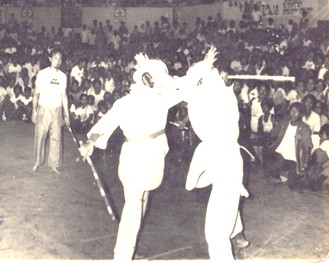
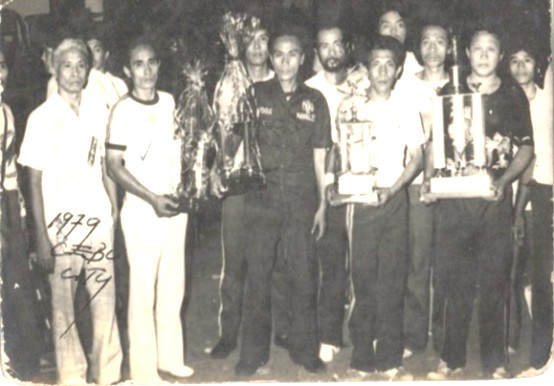
A key part of this effort involved building organizations and training groups that could support the continued growth of the art. In 1958 he helped form the Negros Bastoneros, an organization created to unite practitioners and encourage the development of stick fighting traditions in the region. The group organized training sessions, demonstrations, and full contact competitions that helped bring wider recognition to the local martial arts community.
In 1972 he established the Lapu Lapu Kali Club, named after the Filipino warrior hero who resisted foreign invasion in the sixteenth century. The club provided a structured environment where students could train regularly and study the system in greater depth.
The following year he expanded these efforts with the creation of Supreme Kali Martial Arts in 1973. This organization helped standardize training methods and provided a platform for teaching the system across different communities in Negros Occidental and beyond.
- Negros Bastoneros (1958)
- Lapu Lapu Kali Club (1972)
- Supreme Kali Martial Arts (1973)
Through tournaments, demonstrations, and organized training programs these groups helped strengthen the presence of Filipino martial arts in the region. They also provided opportunities for practitioners to test their skills and share knowledge with other martial artists.
Bringing DTS to the World
Beginning in the late twentieth century the teachings of Grandmaster Tortal gradually reached an international audience. As interest in Filipino martial arts grew worldwide, martial artists from outside the Philippines began seeking direct instruction from traditional masters.
Seminars and training visits introduced Dekiti Tirsia Siradas to students in the United States and other countries. These events allowed practitioners to experience the system firsthand and helped establish the foundations of the international DTS community.
Through the efforts of dedicated instructors and students the system expanded steadily beyond the Philippines. Training groups formed in multiple regions, seminars were organized regularly, and instructional materials were developed to support students who could not train directly in Negros.
While the art has grown internationally, its identity remains closely connected to its origins. The principles taught today still reflect the tactical methods and practical philosophy developed within the Tortal family lineage.
This balance between preservation and expansion has allowed Dekiti Tirsia Siradas to evolve while remaining grounded in the traditions that shaped it.
A Living Legacy
Today Dekiti Tirsia Siradas continues to grow through a worldwide community of practitioners who study, teach, and preserve the principles of the system. What began as a family tradition in the Visayan region of the Philippines has evolved into an international martial art practiced across North America, Europe, Asia, and beyond.
This expansion has occurred through seminars, training programs, instructional materials, and the dedication of senior instructors who continue to pass on the teachings of the Tortal lineage. While the system now reaches students across many countries, its foundation remains rooted in the same principles that shaped it generations ago: precision of movement, control of angles, disciplined footwork, and the ability to adapt under pressure.
Dekiti Tirsia Siradas is taught today in a variety of environments including traditional martial arts schools, private training groups, military instruction programs, and law enforcement seminars. In each of these settings the goal remains the same: to develop practitioners who can apply the art with clarity, discipline, and respect for its origins.
For many students the art becomes more than a collection of techniques. It becomes a study of movement, strategy, and personal development. Training reinforces patience, awareness, and responsibility, values that have long been part of Filipino martial culture.
The continued growth of DTS reflects the strength of its lineage and the dedication of those who train in it. Each generation of practitioners carries forward the teachings of the past while refining the art for the present. In this way the system remains what it has always been: a living tradition shaped by experience, preserved through discipline, and passed from teacher to student.
Through this ongoing practice the legacy of the Tortal family endures, ensuring that the knowledge and spirit of Dekiti Tirsia Siradas remain alive for generations to come.